Tips for Schooling while travelling
Make learning part of the adventure, Schooling on the road can feel overwhelming at first — but it’s also one of the most rewarding parts of travelling as a family. It gives your kids the chance to learn in real-world environments, at their own pace, while exploring Australia’s incredible backyard.
After years on the road, we’ve learned a few things that helped make road schooling more manageable (and enjoyable!). Here are some of our top tips:
1. Adjustment
It takes time to adjust to both travelling and roadschooling, so give yourself permission to ease into it. The first couple of weeks can almost feel like a write-off — you're all adapting to living in a small space together 24/7, while also trying to figure out how to teach on the go. We actually began our roadschooling journey at home before we hit the road just so I could get my head around the process, that little bit of a head start I think made a big difference with the transition.
2. Keep it simple
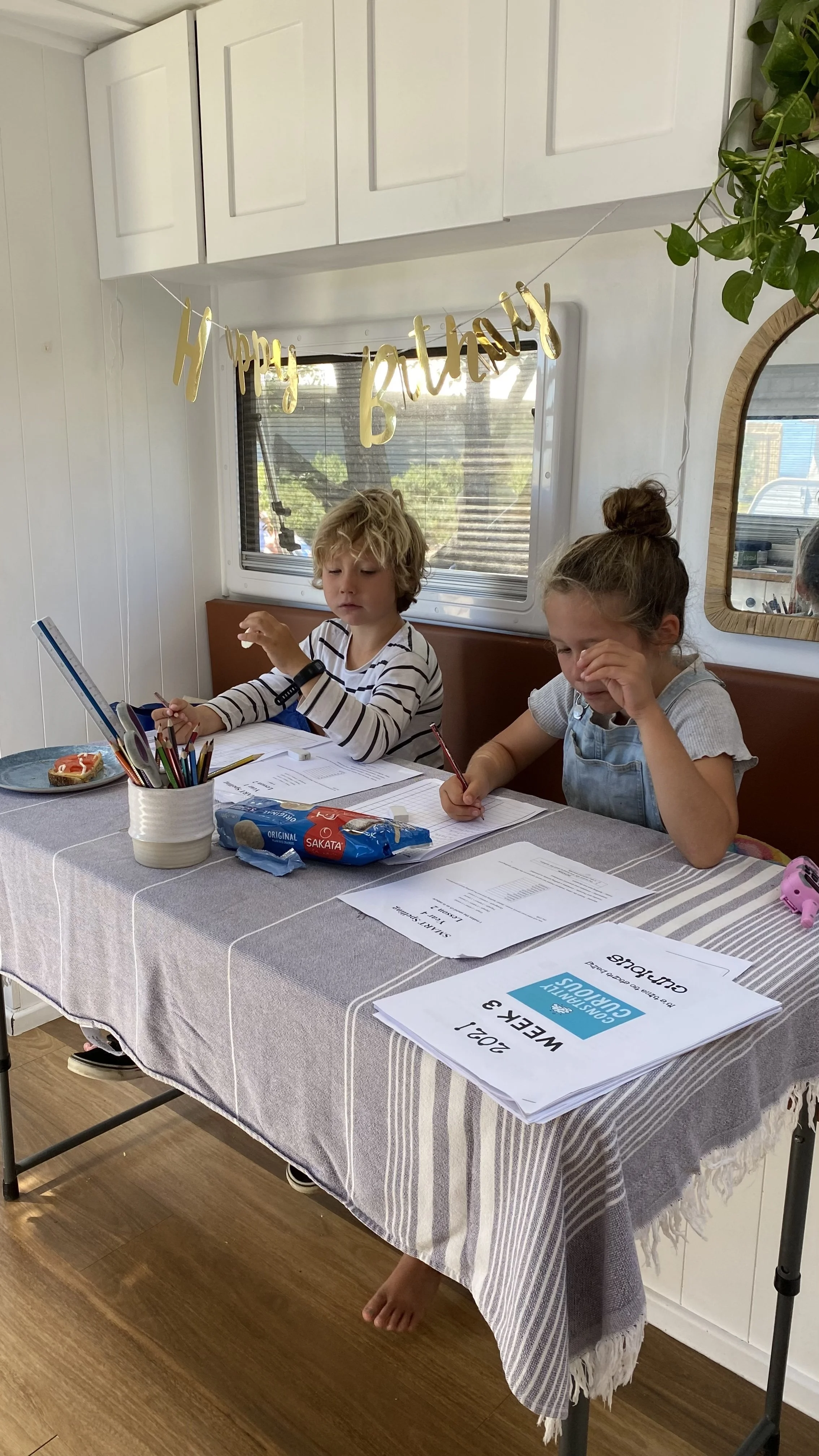
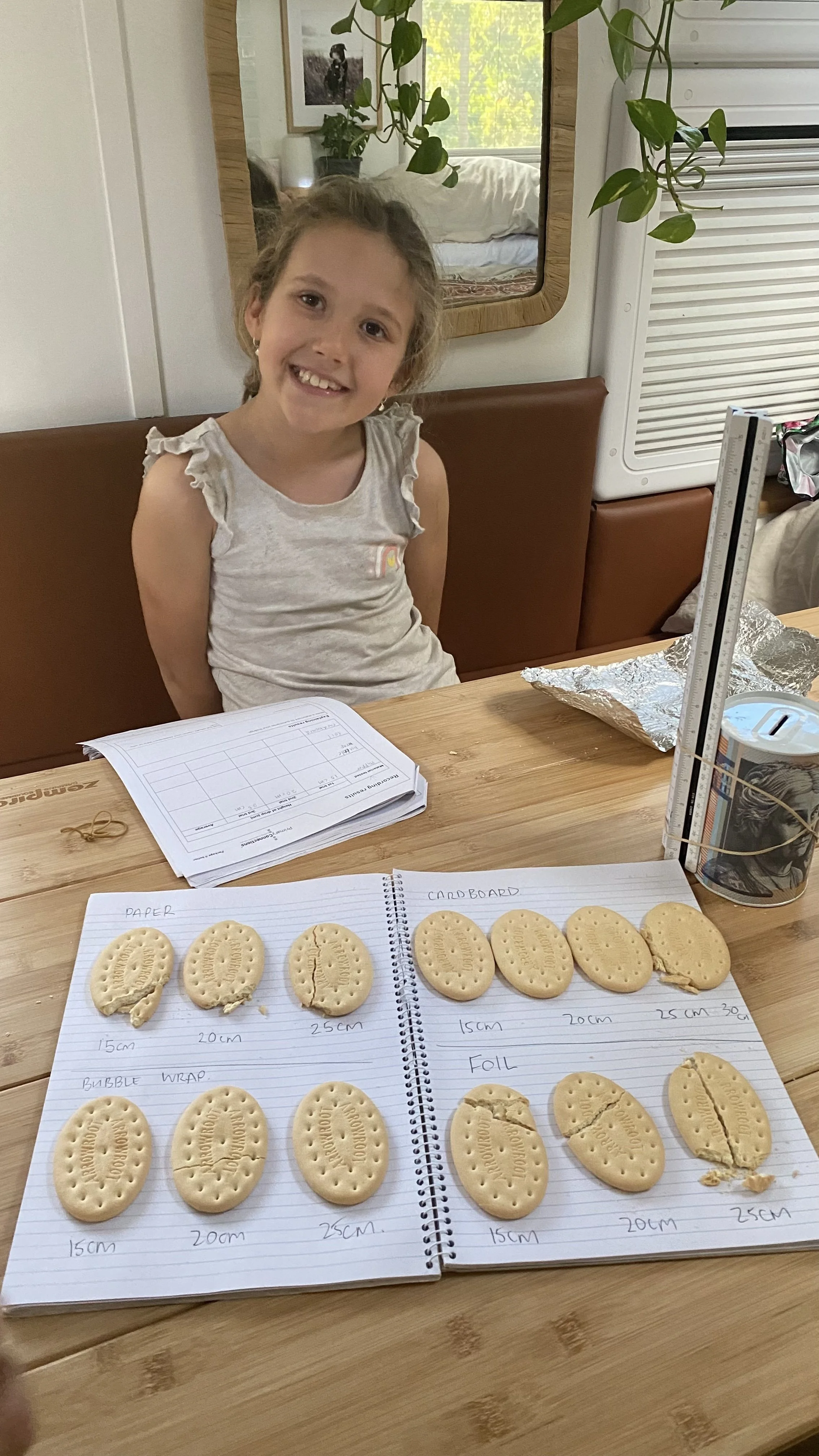
Don’t put too much pressure on yourself to replicate a traditional school day. One of the best parts of travelling is breaking away from the rigid routines — and schooling on the road is no different. We quickly learned that trying to follow a full school schedule on the road just didn’t work for us. Instead, we kept things simple and focused on the basics like reading, English and maths, and let the rest come through everyday experiences.
3. Use a Flexible Curriculum
Try to pick a flexible curriculum. With plenty of option for roadschooling out there, we spent some time looking at the different options to find the one that best suited us, and it was a bit of trial and error early on. We decided to go with a distance education program, which gave us the flexibility to make learning work around our travels without the stress of creating our own learning content.
We did end up finding a program that was road-friendly and adaptable so we could pick and choose what to focus on depending on where we were and what we had access to, whether online or offline. What we really loved was the freedom to let the kids learn beyond the books — through real-life experiences, conversations, and the places we visited along the way. We do really suggest you do some research around this because it can vary a lot between education providers. We started out with one distance education school, but the workload was overwhelming — it just didn’t suit our lifestyle on the road. Eventually, we switched to another provider that was much more flexible, and it made a huge difference. Not all distance ed programs are the same, so find one that works for your family.
4. Learn from Your Surroundings
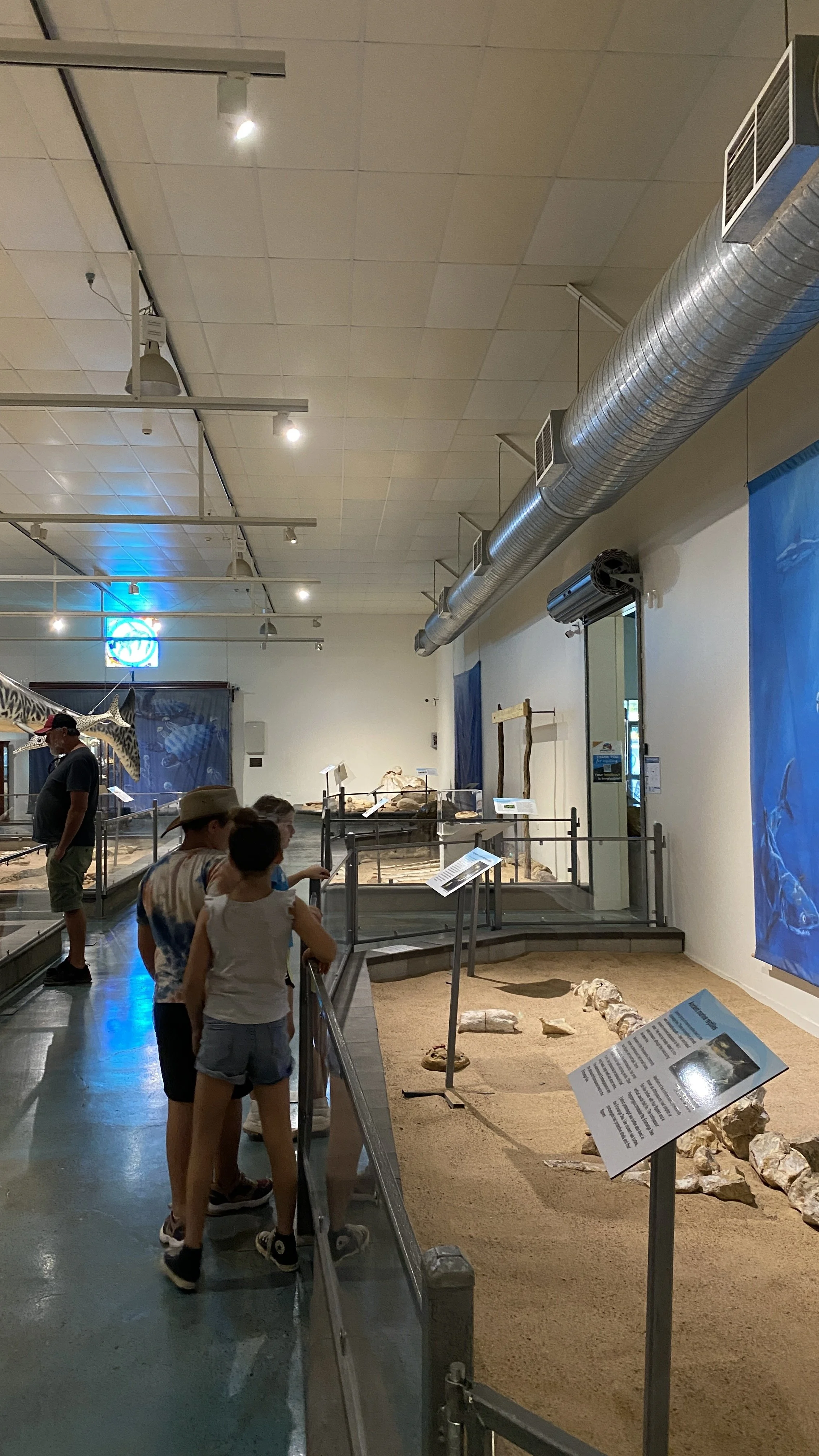
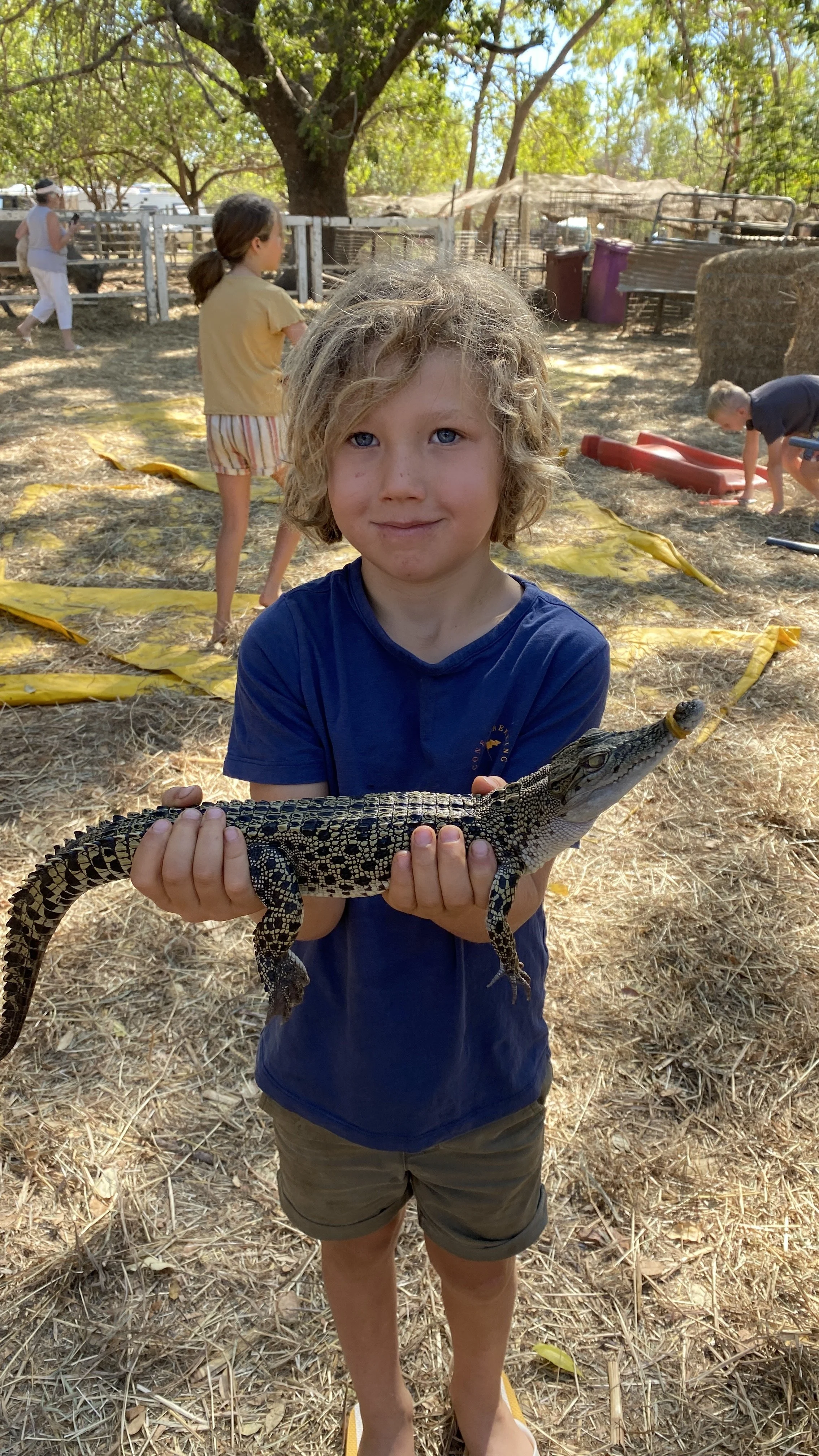
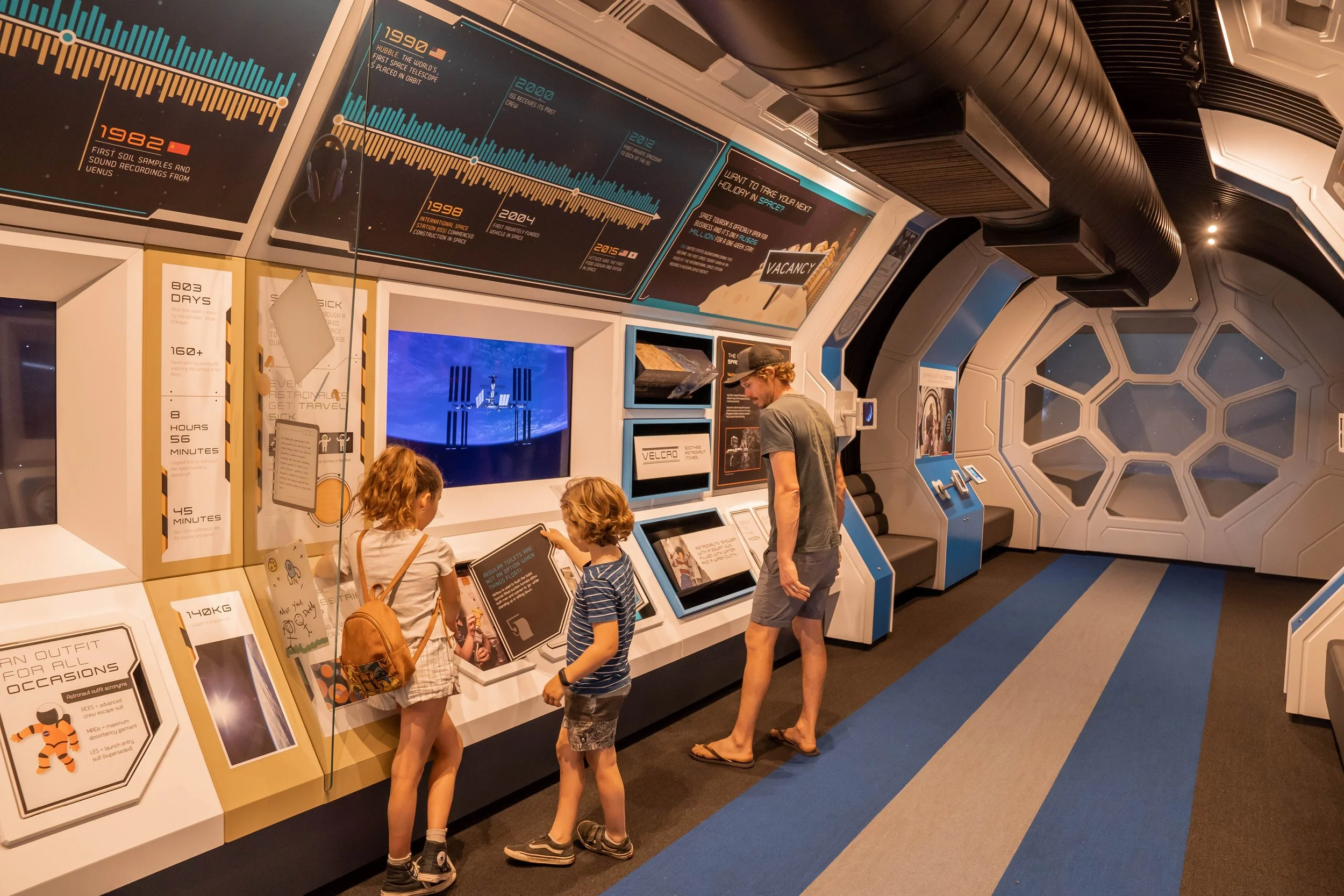
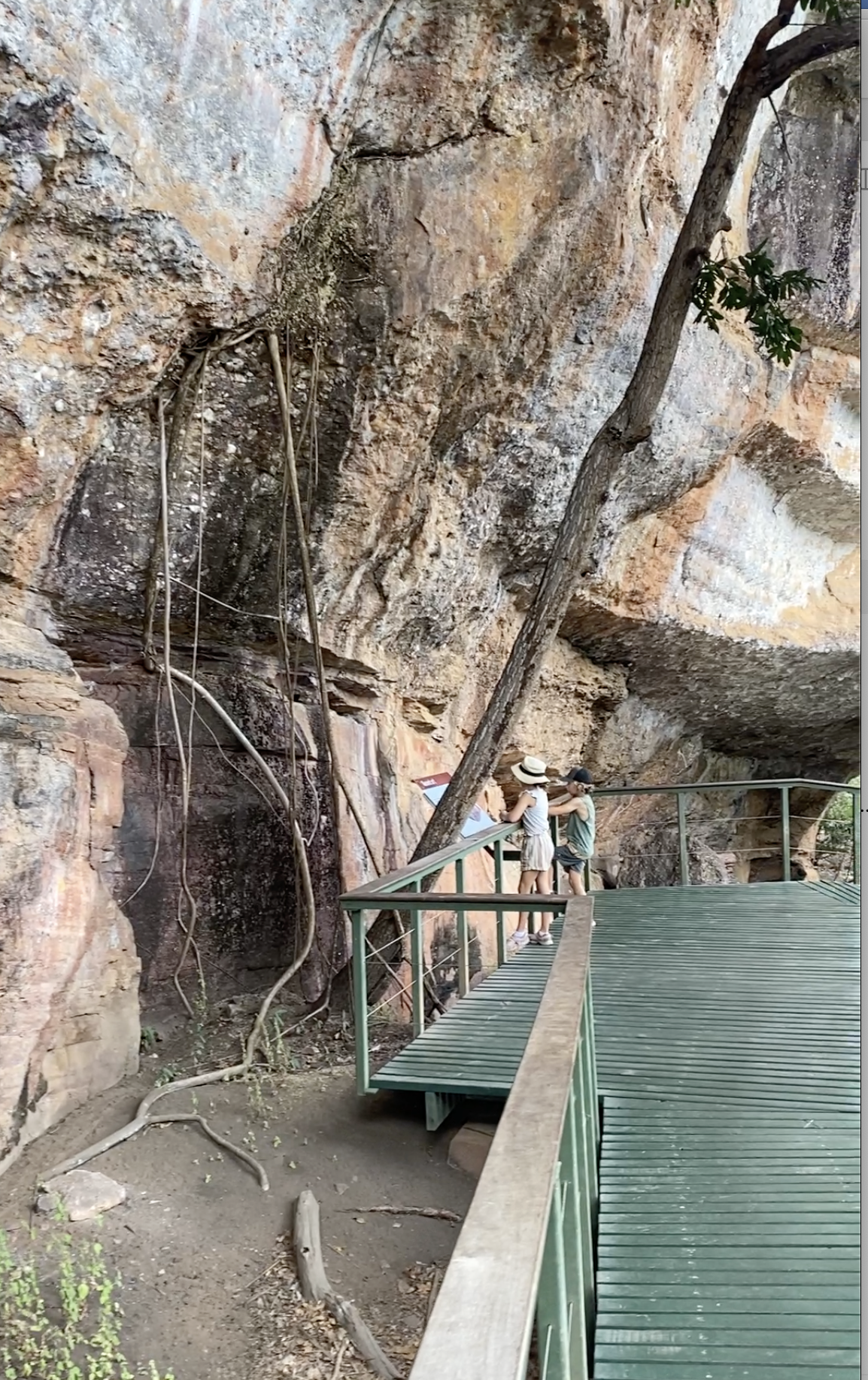
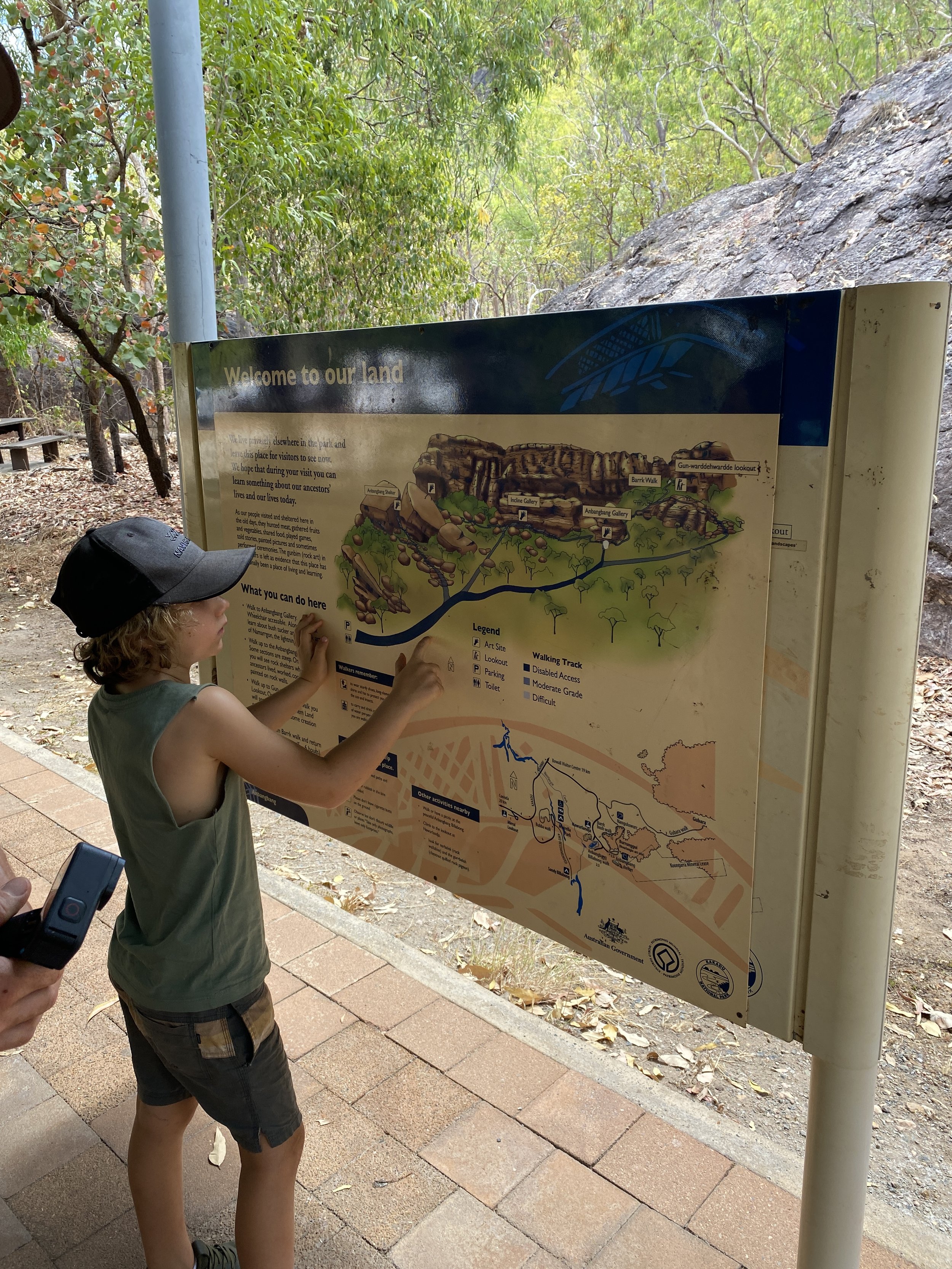
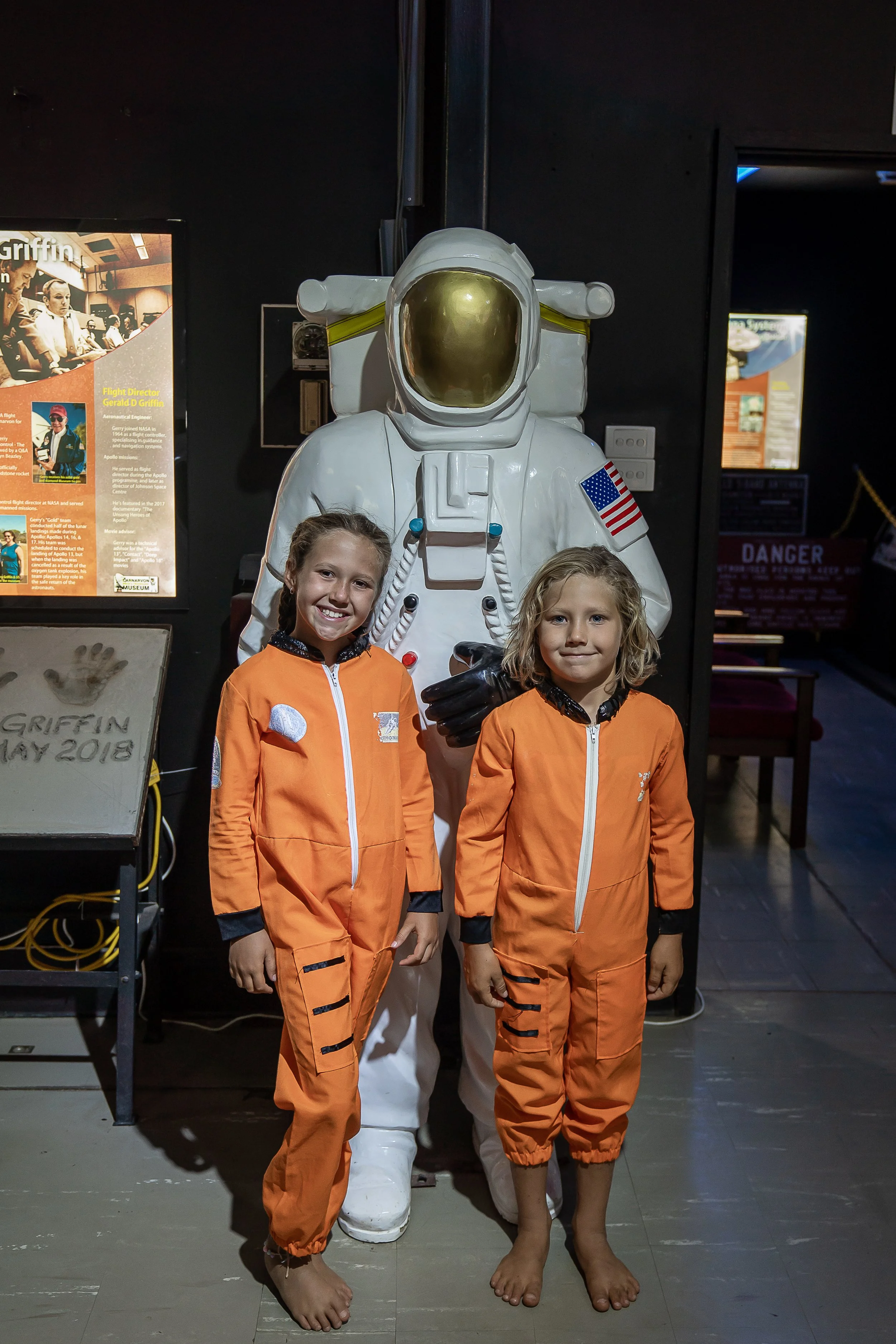
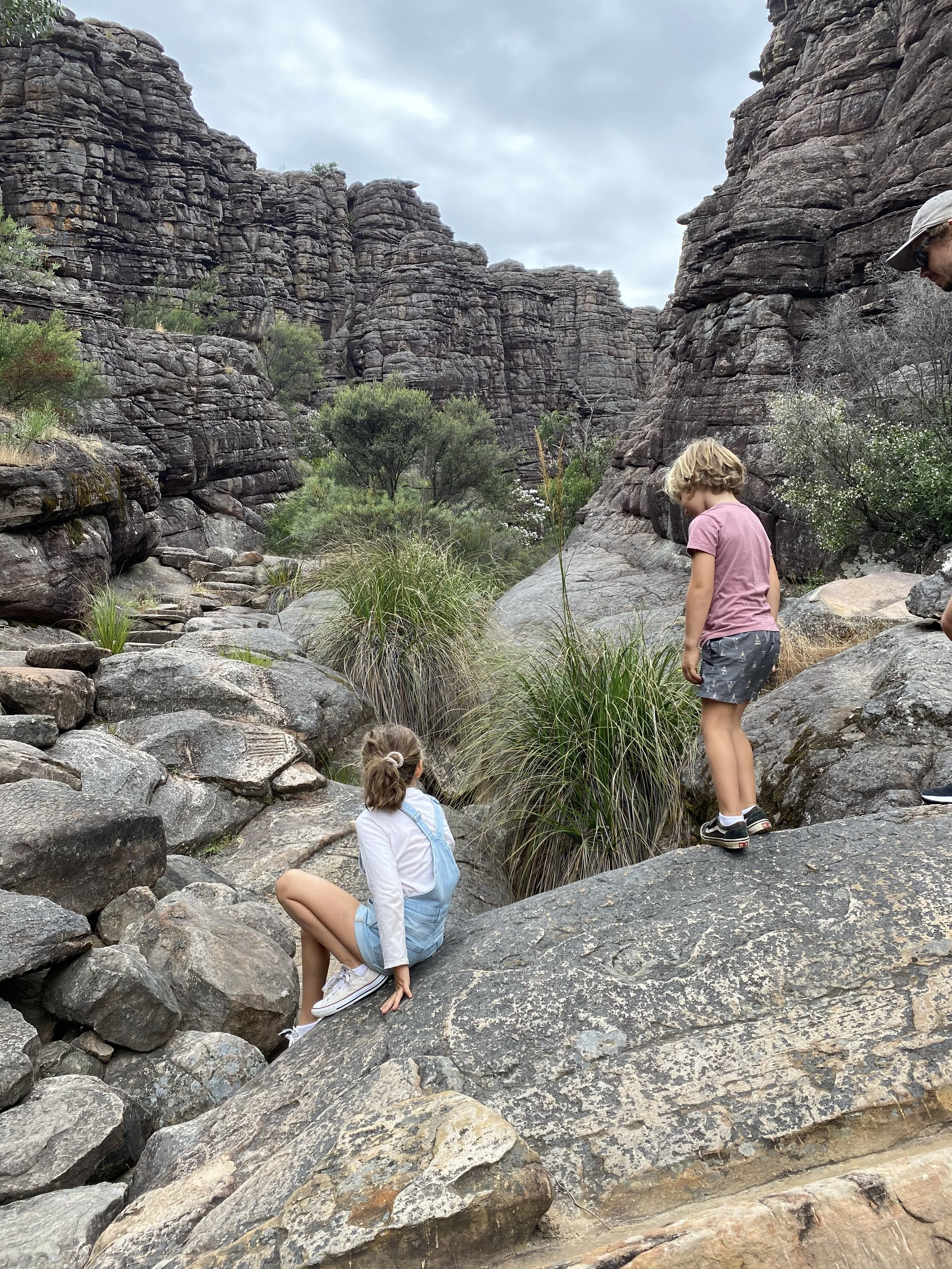
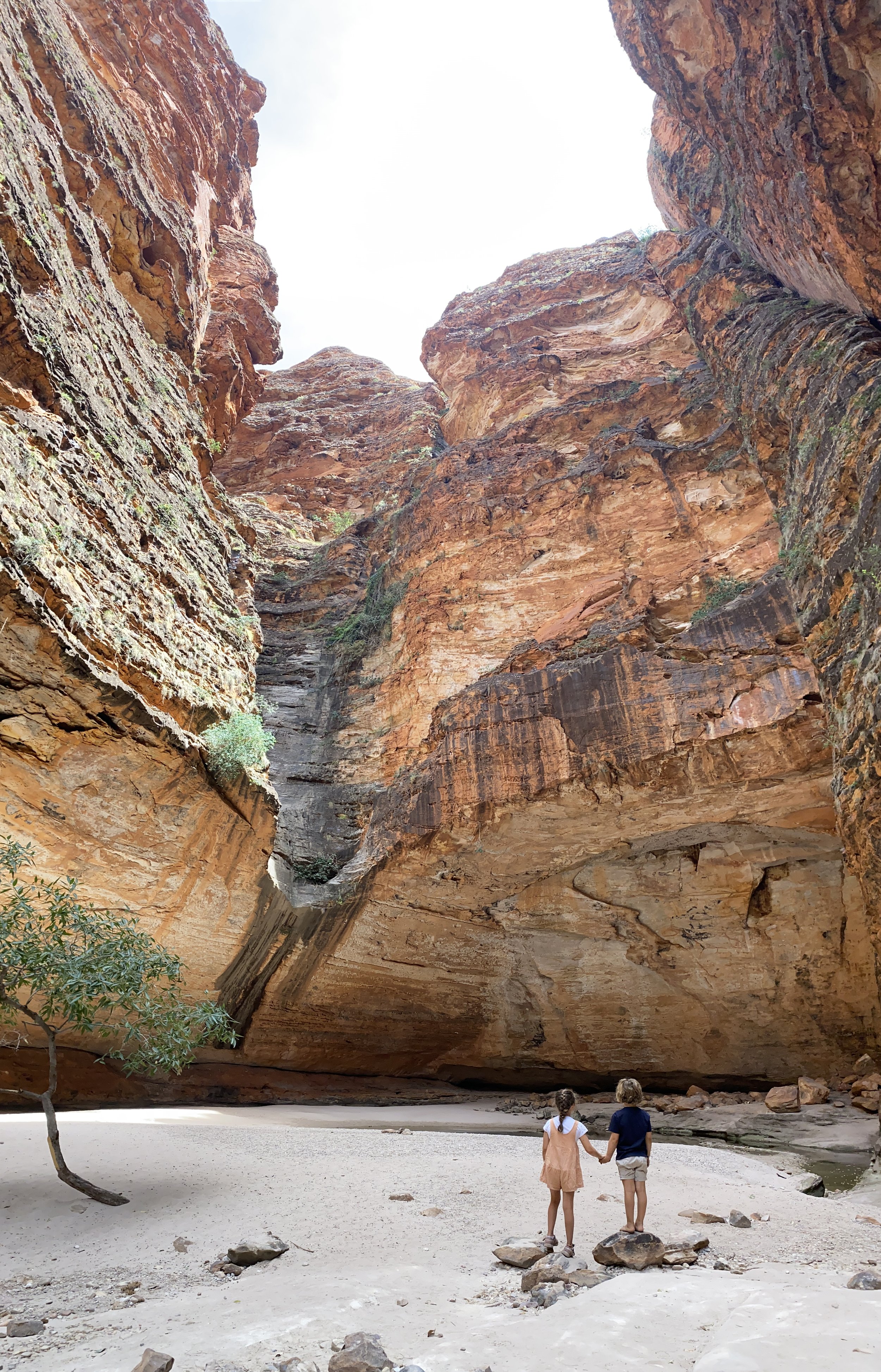
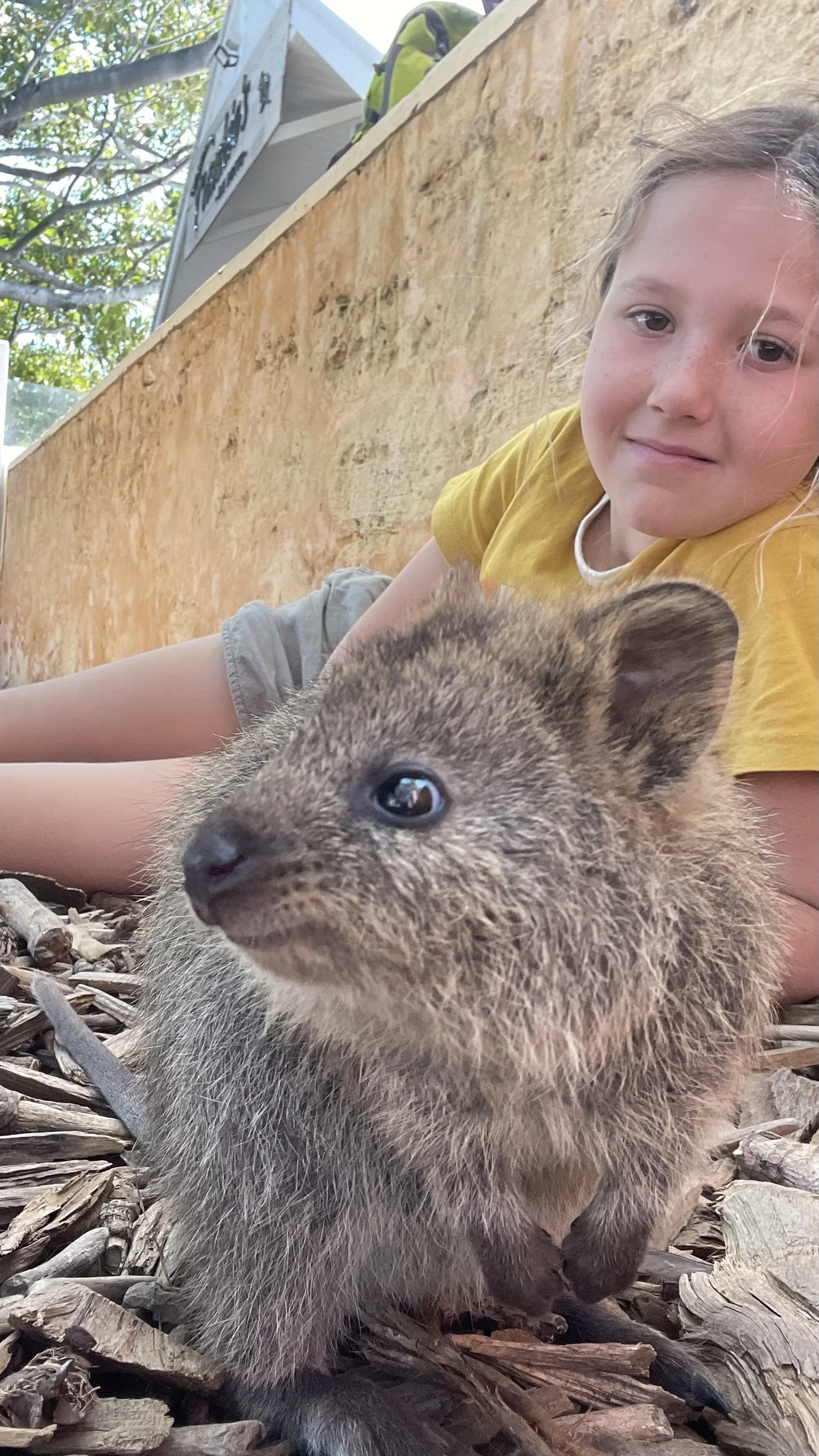
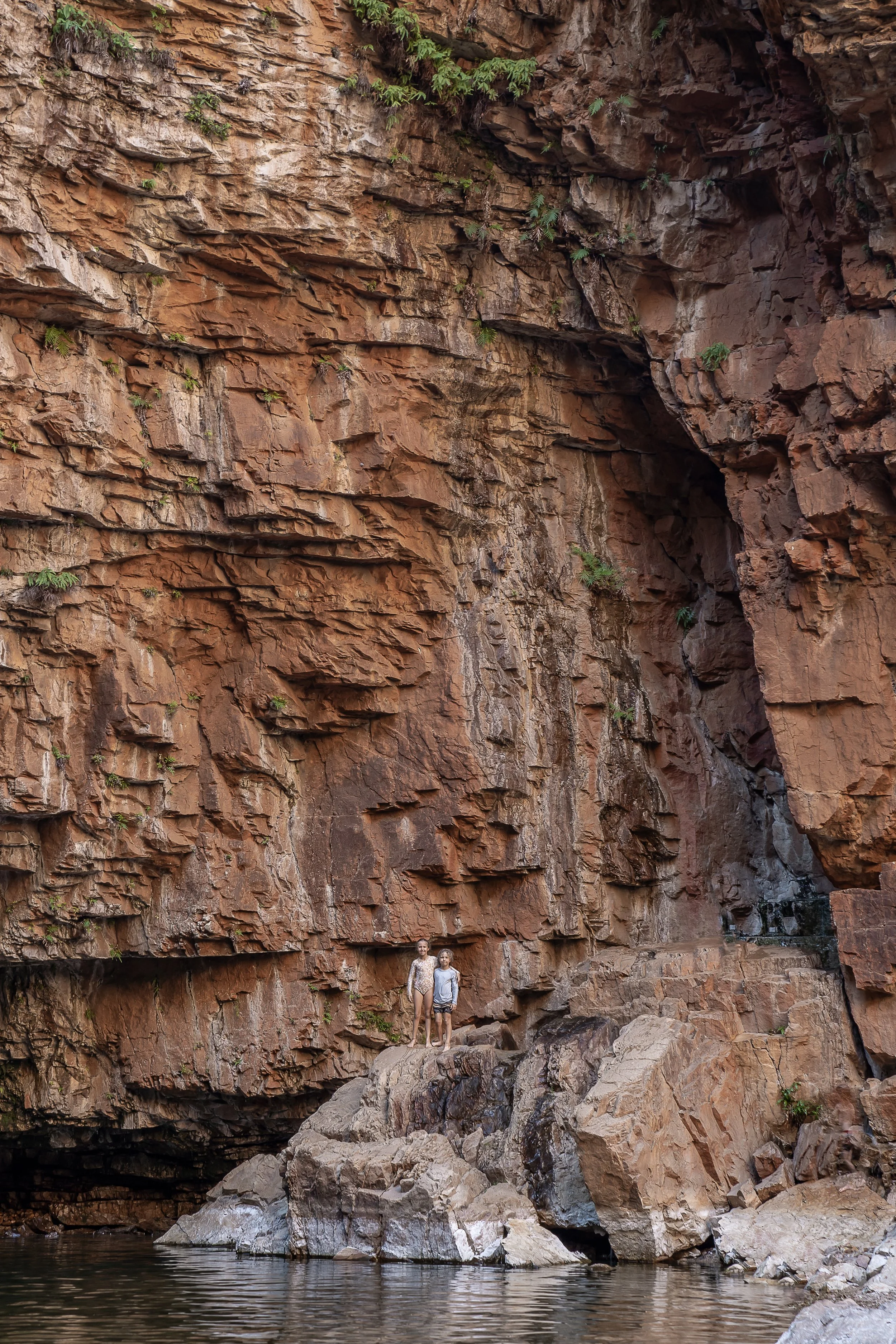
Try to use your enviroment and everyday activities to your advantage . Our kids learned more about Australian history by walking through old mining towns in central Queensland, admiring the indigenous rock paintings in Kakadu, star gazing at the cosmos centre in Charleville, not to mention the countless museums, the all too often wildlife encounters and the ramblings of parents who have read another information booklet about another one of Australia’s small country towns. There’s so much history scattered across the country, and experiencing it first hand makes it all the more memorable for the kids — and us too.
5. Find Your Rhythm
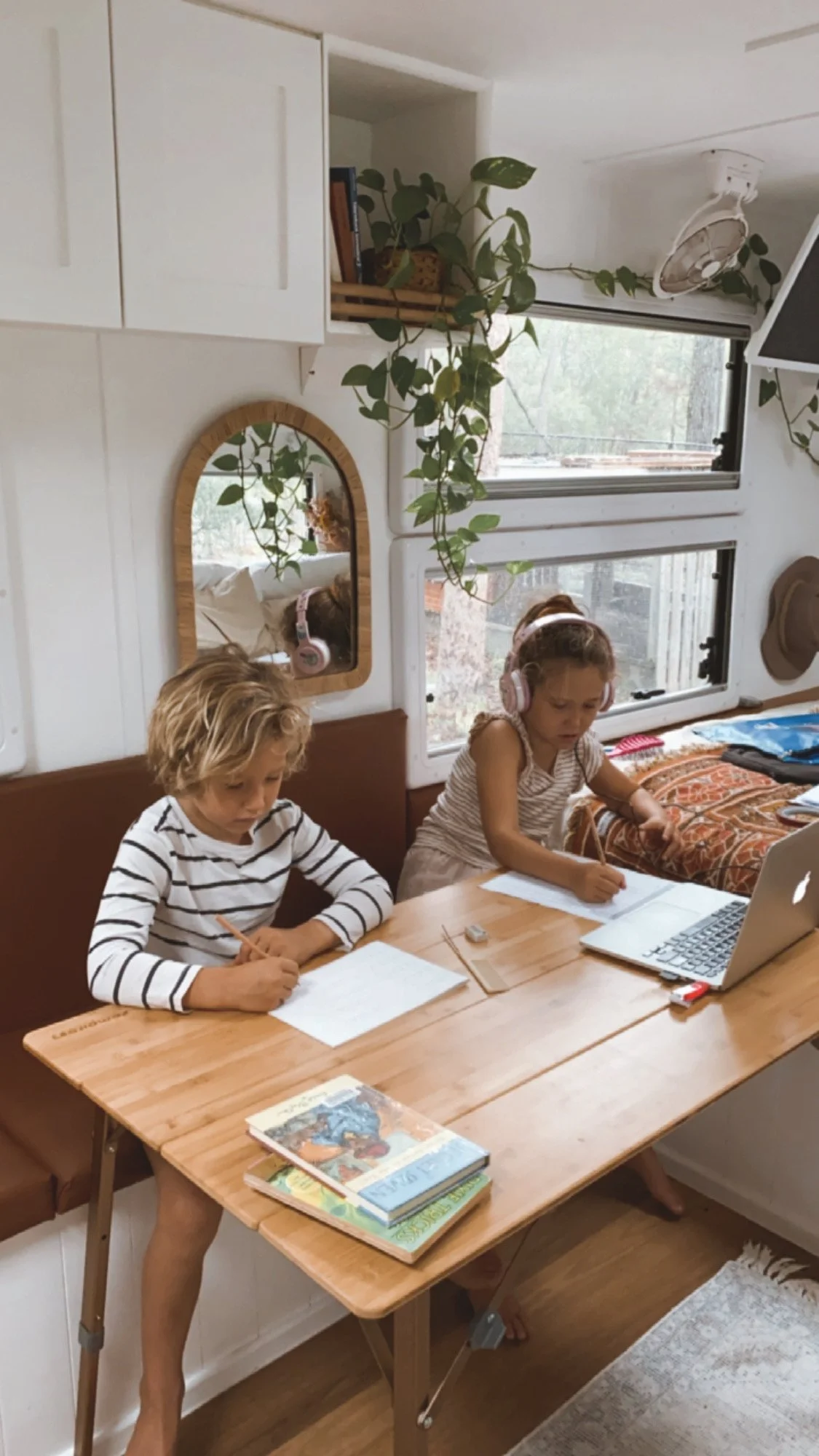
Some families prefer doing school in there morning, others spread it out with a little bit each day, or dedicate a couple of bigger sessions each week. There’s no one-size-fits-all — it’s all about finding what works best for your family. For us, we found short bursts during the week worked well, and we often used rainy or windy days to get through a chunk of schoolwork. That way, we could make the most of the sunny days to head out exploring. Nate did a bit of work on the road and we tried to align school work with Nates work schedule to minimise our down time. I guess it just depended on the day and what we were doing we never had a strict routine and that’s what worked for us.
6. Embrace Tech (but Don’t Rely on It)
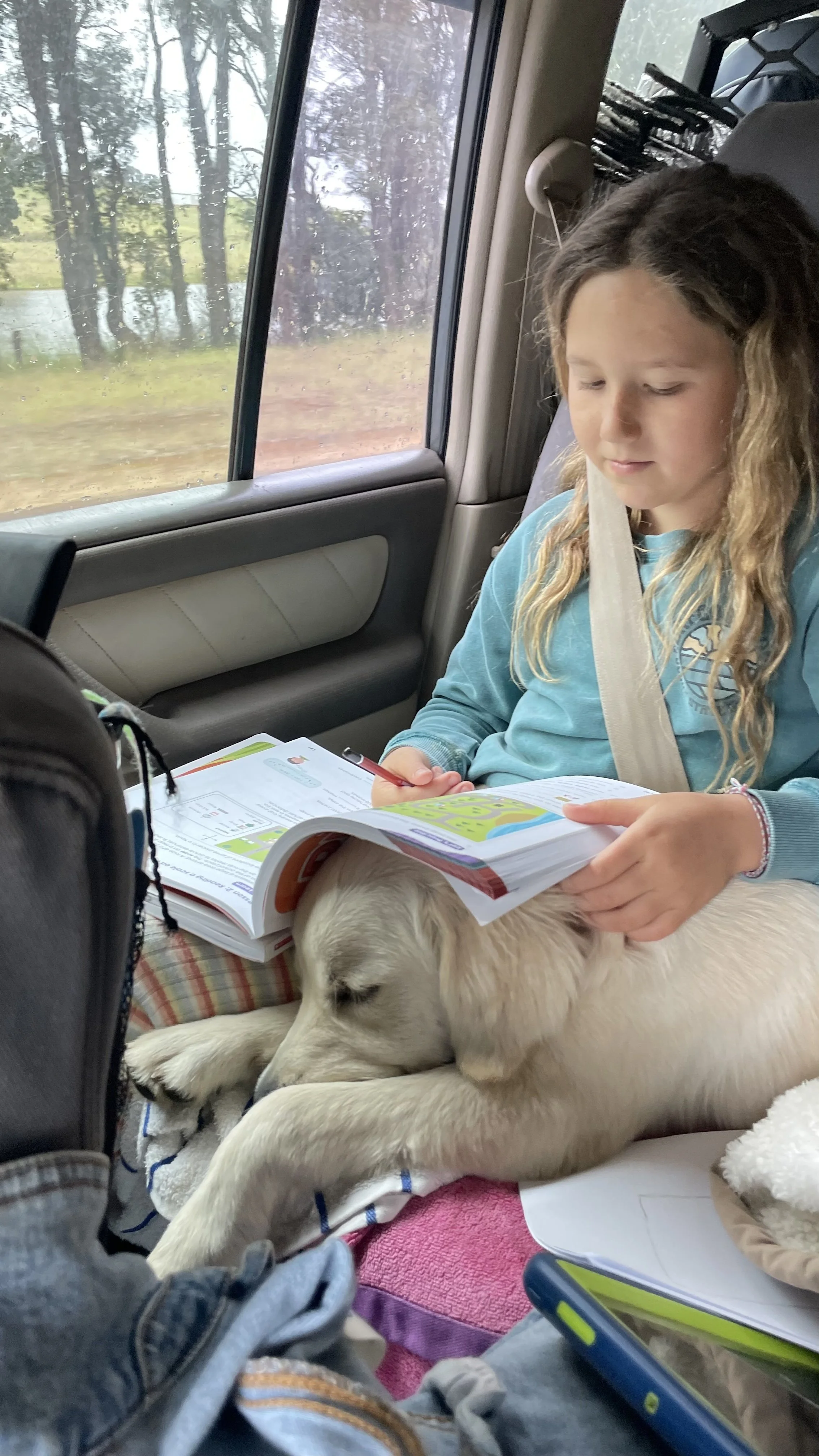
We found apps like reading eggs and matific were a great way to mix things up. We didn’t rely on them every day, but they came in handy on travel days or when we were stuck in the van due to weather. We made an effort when we could to do weekly Skye calls with their teachers but this became fairly dependant of location and internet connection. Some weeks it worked and some weeks it didn’t and that was ok. This also comes down to how strict your schooling curriculum is and how much you need to be online. For us we didn’t want the pressure of having to be online too much because there was times we would be off grid for extended periods, so a paper based learning approach worked best for us.
7. Don’t Forget Creative Time
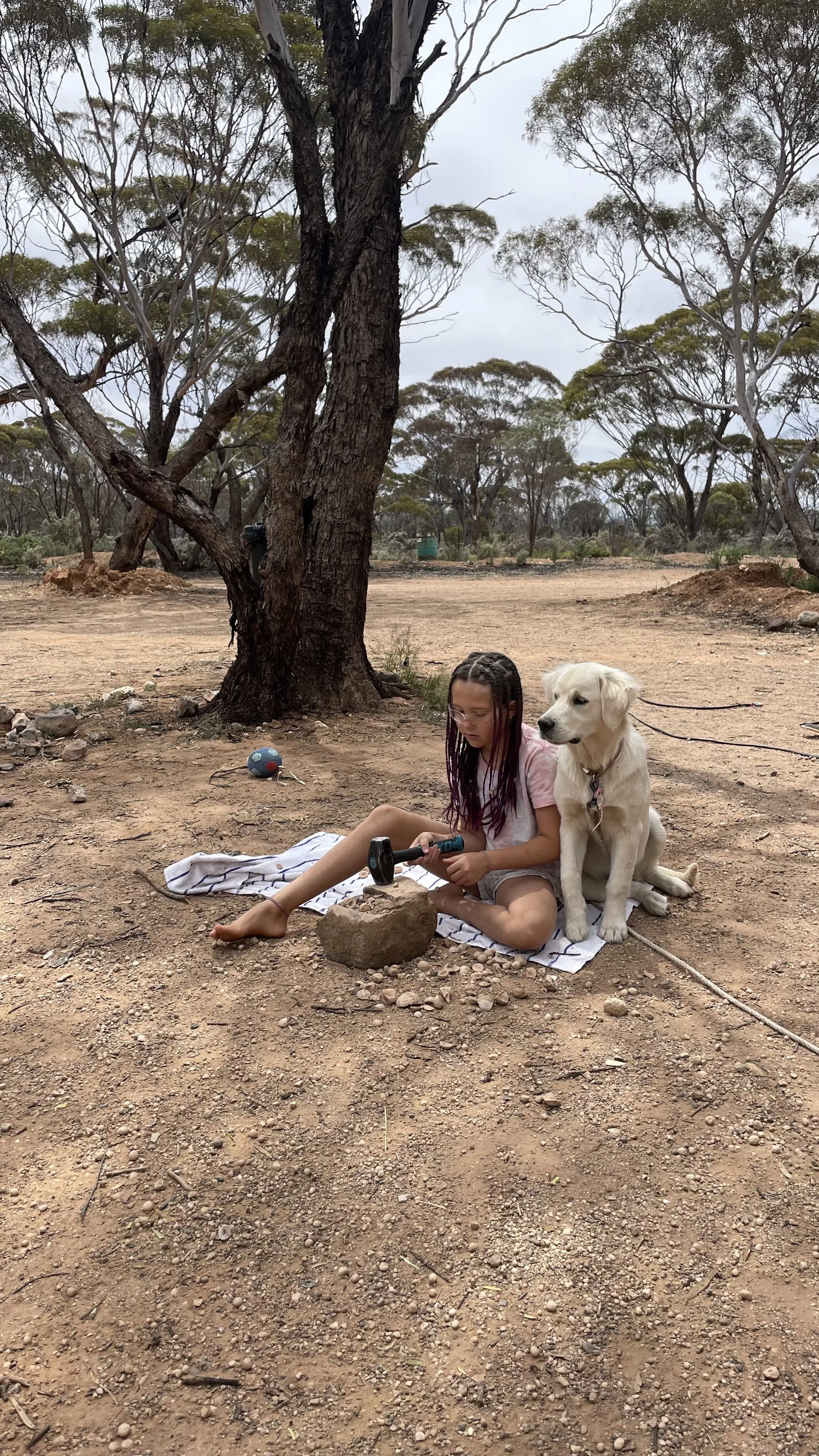
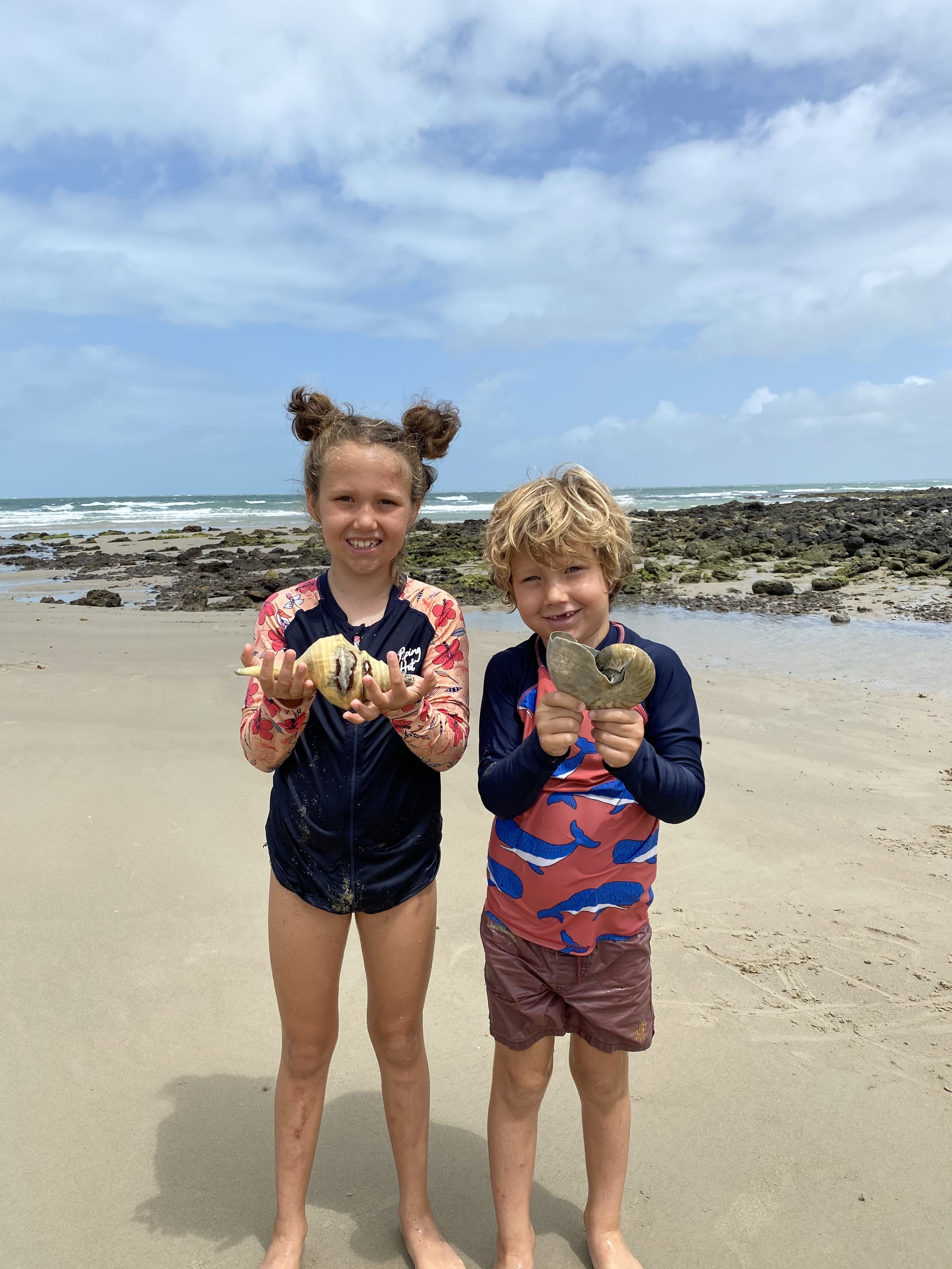
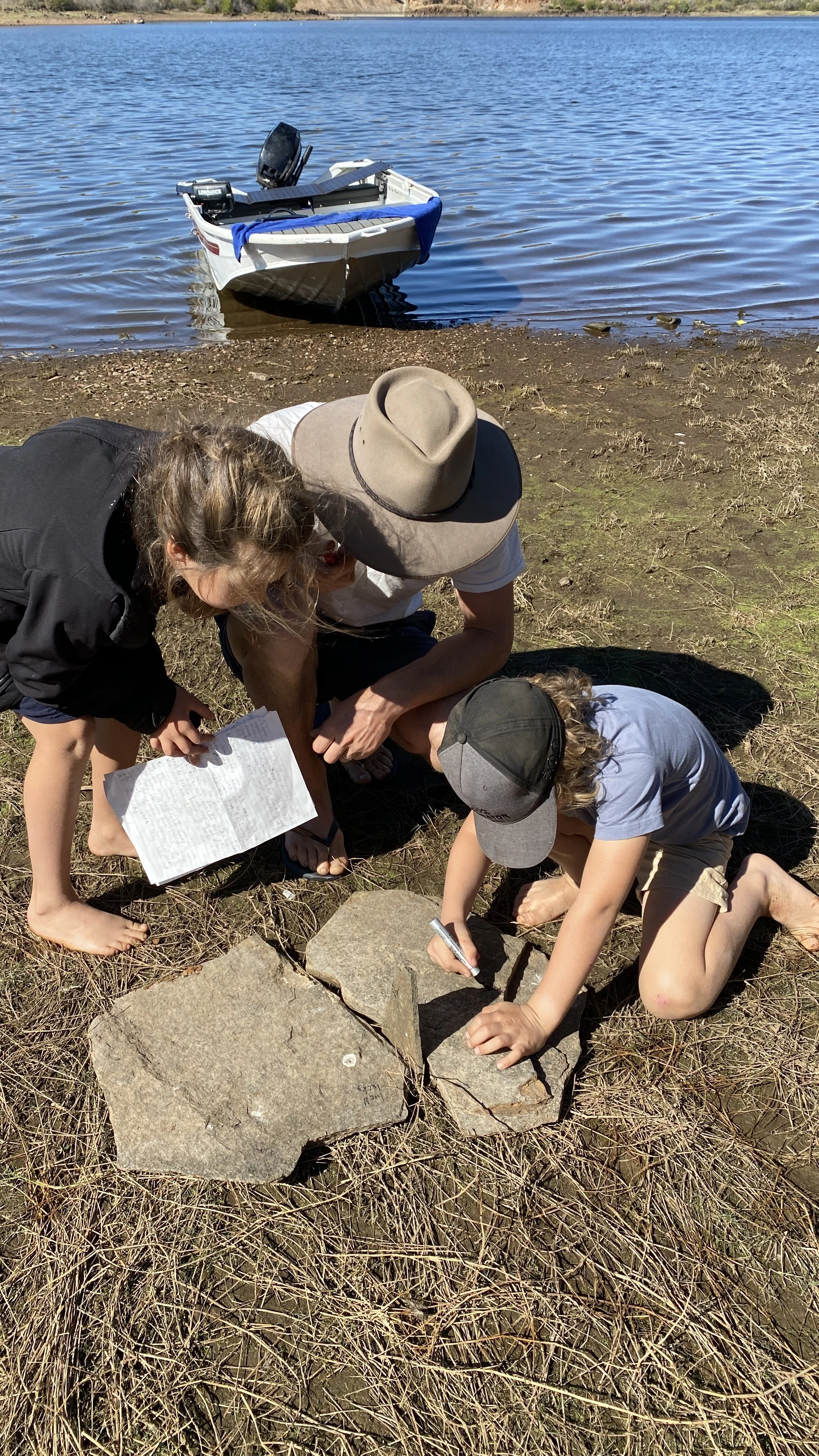
Travel is full of stories waiting to be told — and creativity is such a powerful way for kids to process what they’re experiencing. Encourage them to draw, write, or take photos of their adventures and let them loose every so often with the go pro (the videos looking back are priceless). You can also get creative with nature — collecting leaves, shells, or rocks to make art or tell stories (recommend limiting number of shells and rocks because they do start to take up weight and room). We used to love pulling up somewhere and giving the kids the freedom to use their imaginations and find their own fun wherever we were.
8. Activities
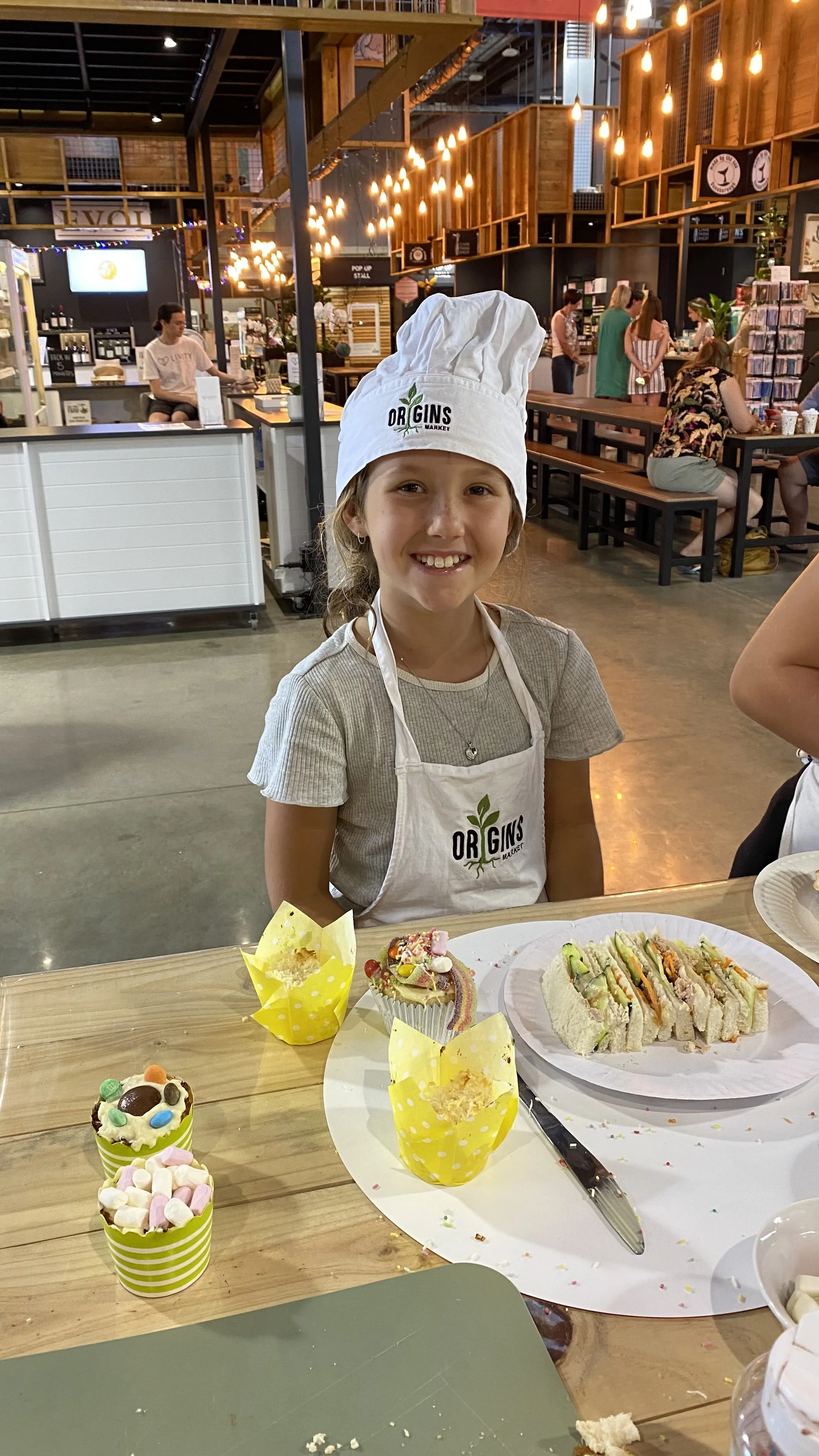
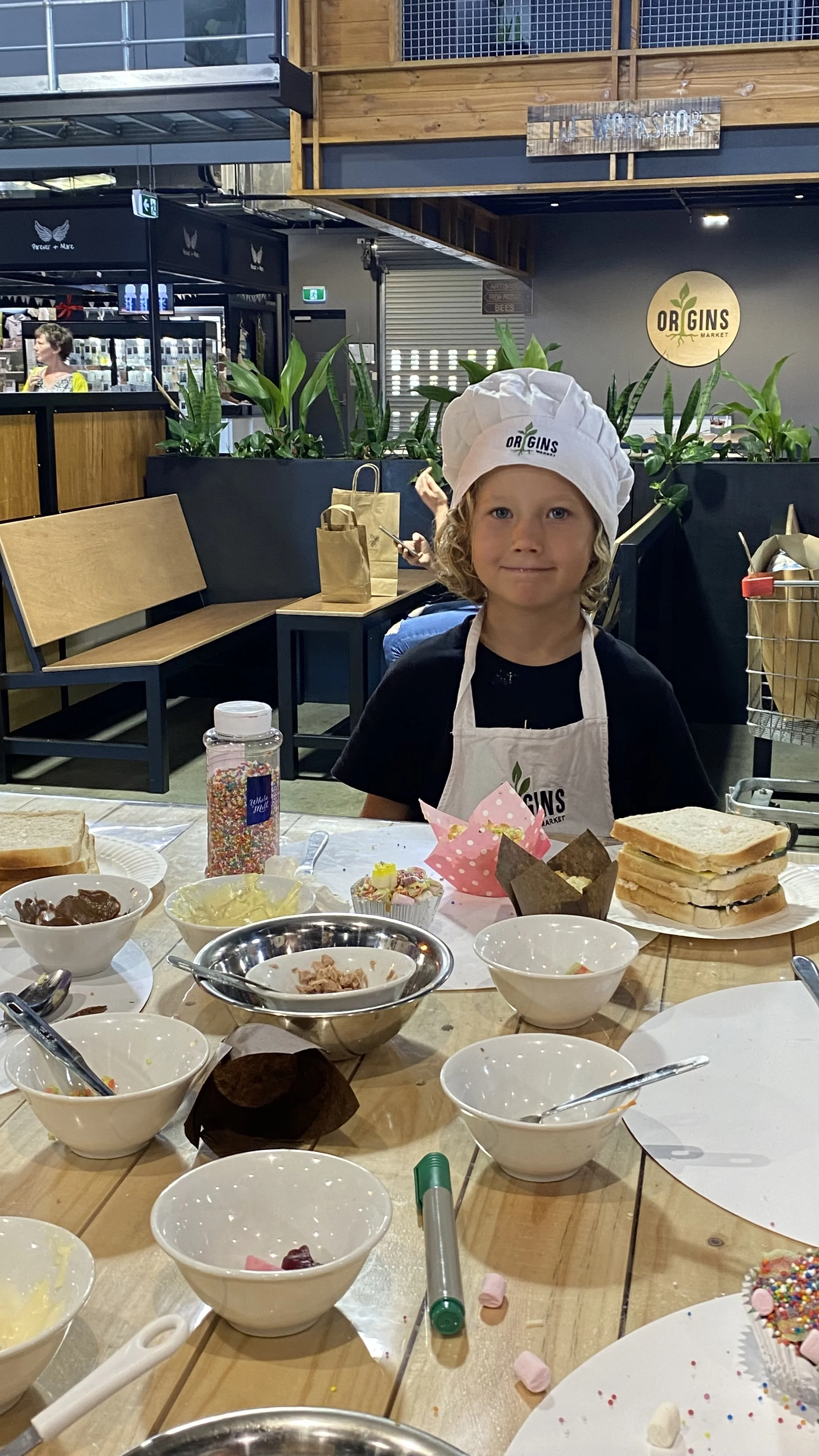
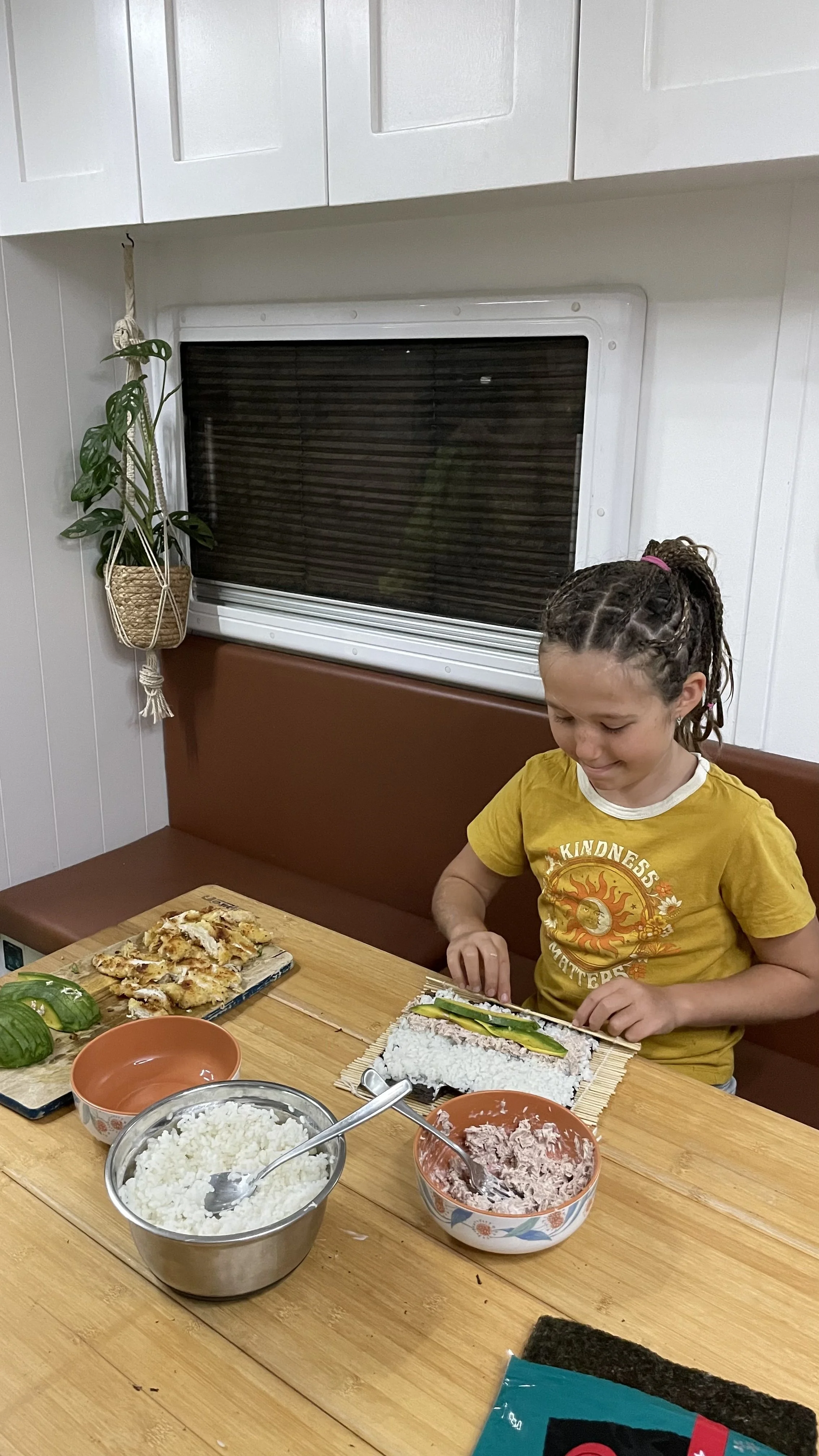
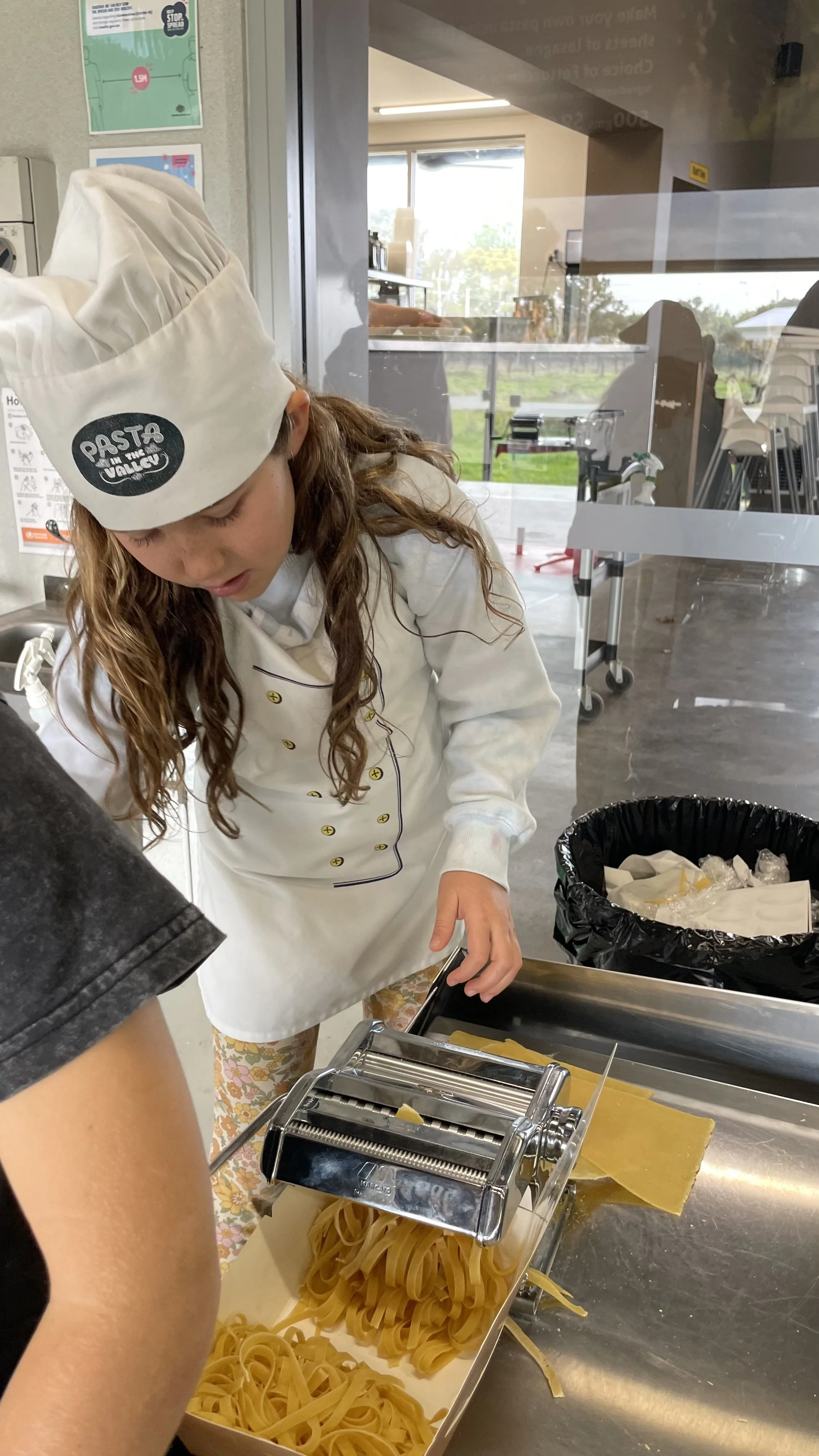
When visiting new towns try to take advantage of the free activities some communities have on offer — you would be surprised how many great ones there are! We have even come across a few free cooking classes for kids, which were a huge hit and a fun way for them to learn new skills while meeting others.
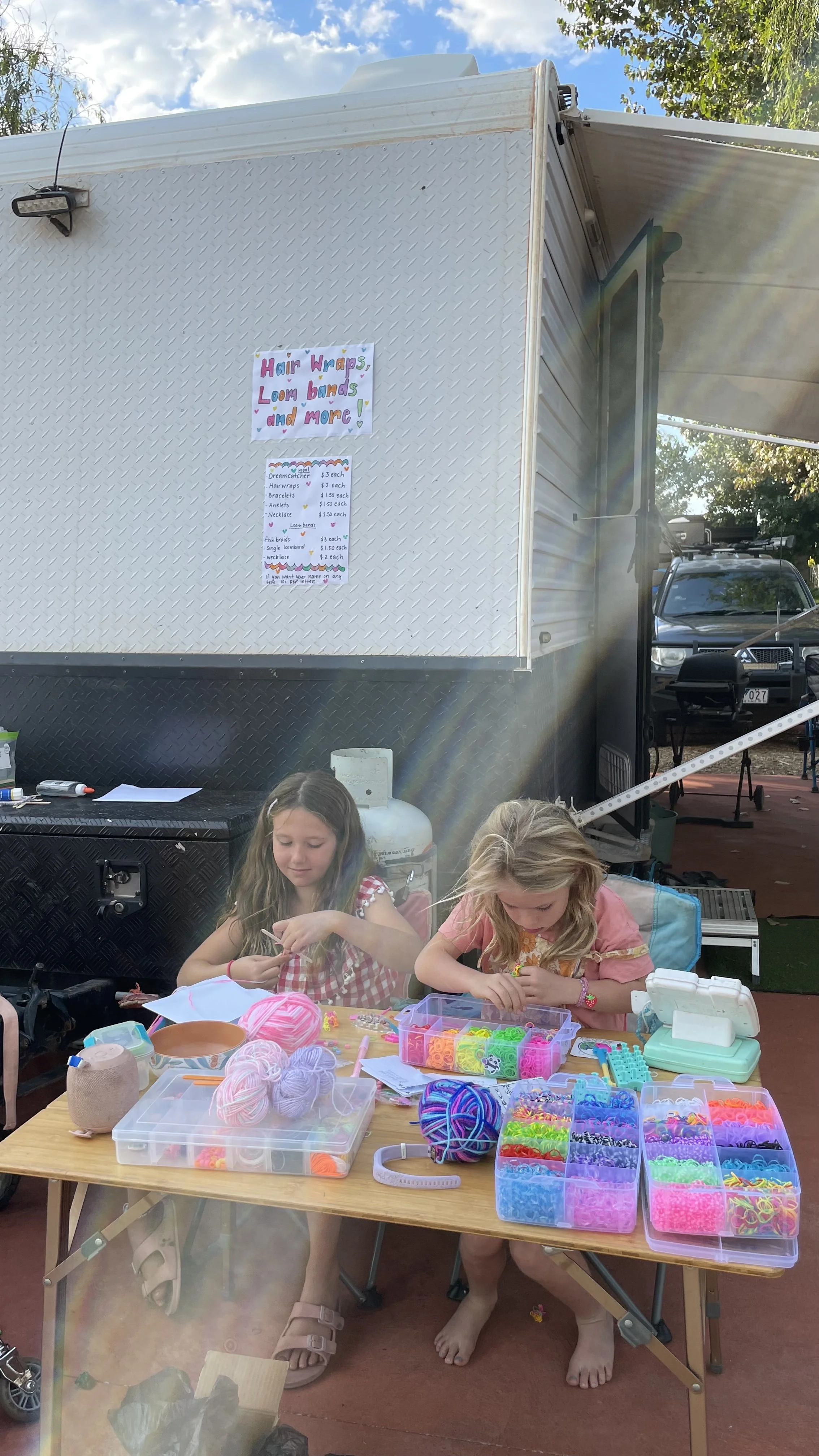
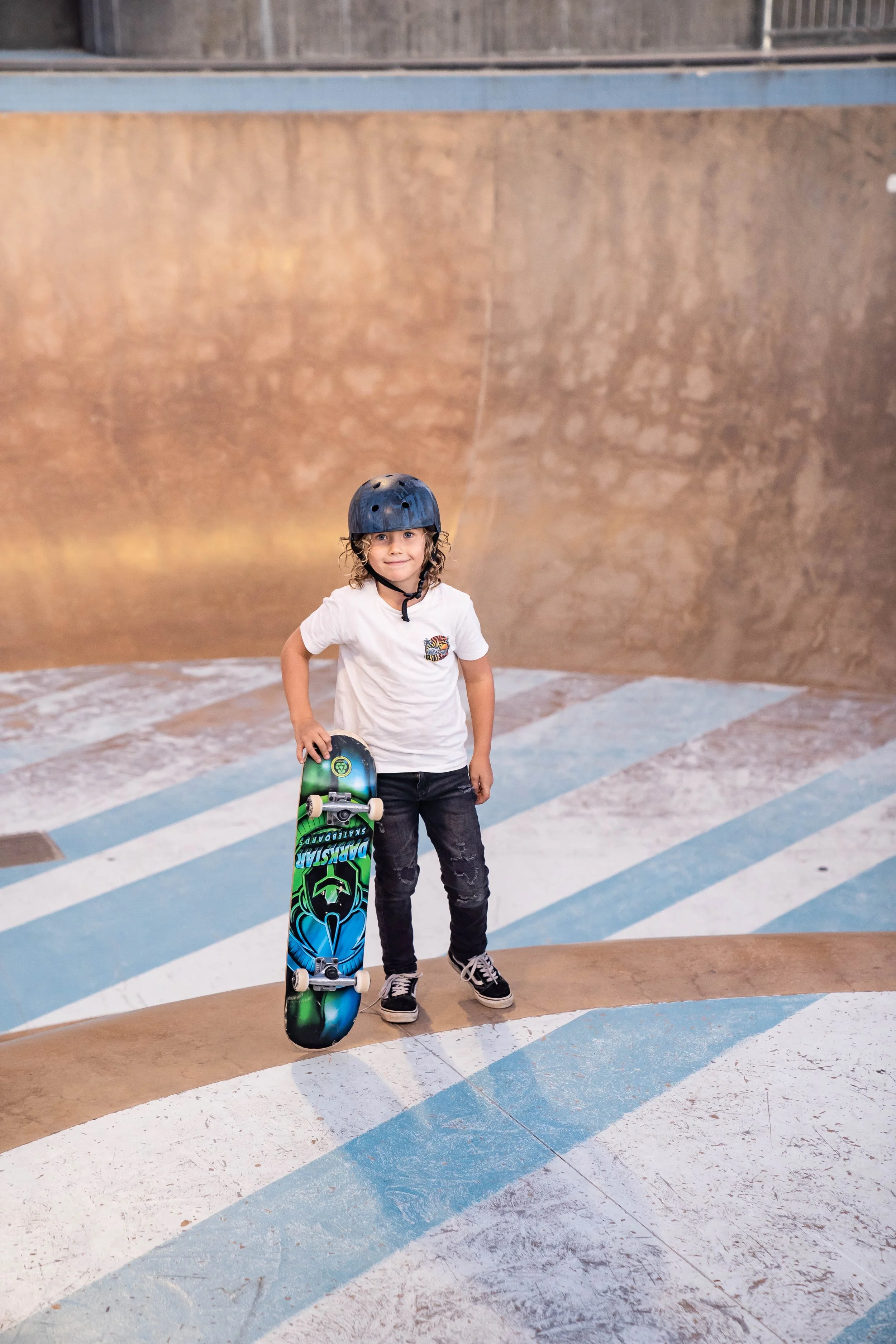
Another great idea is to encourage the kids to pick up a new hobby while traveling. Theo learnt to skate on the road, which he absolutely loved — and it meant we ended up stopping at just about every skate park we came across. It became a great way to get outside and explore new places. Savannah got into finger knitting and even managed to set up a little stall with friends to sell her creations along the way. These kinds of experiences not only kept them busy and learning, but also helped them build confidence and connect with other kids wherever we went.
9. Ideas of things to do
Some easy learning ideas:
Write journal entries about the places you have stayed
Map the route you travelled
Collect and identify local flora or animal tracks
Let them help with the Budget the cost of your trip for a math task, calculate distances and travel time to the next stop and don’t forget the chores so they can get a little bit of spending money.
Spend some time at local visitor centres they are often packed with local maps, displays, and brochures, a great way to learn about local history. The volunteers are always up for a chat and full of local knowledge and great advice.
Let them help research your next stop — what’s nearby, what it’s known for, what you might see. It builds research skills, curiosity, and independence.
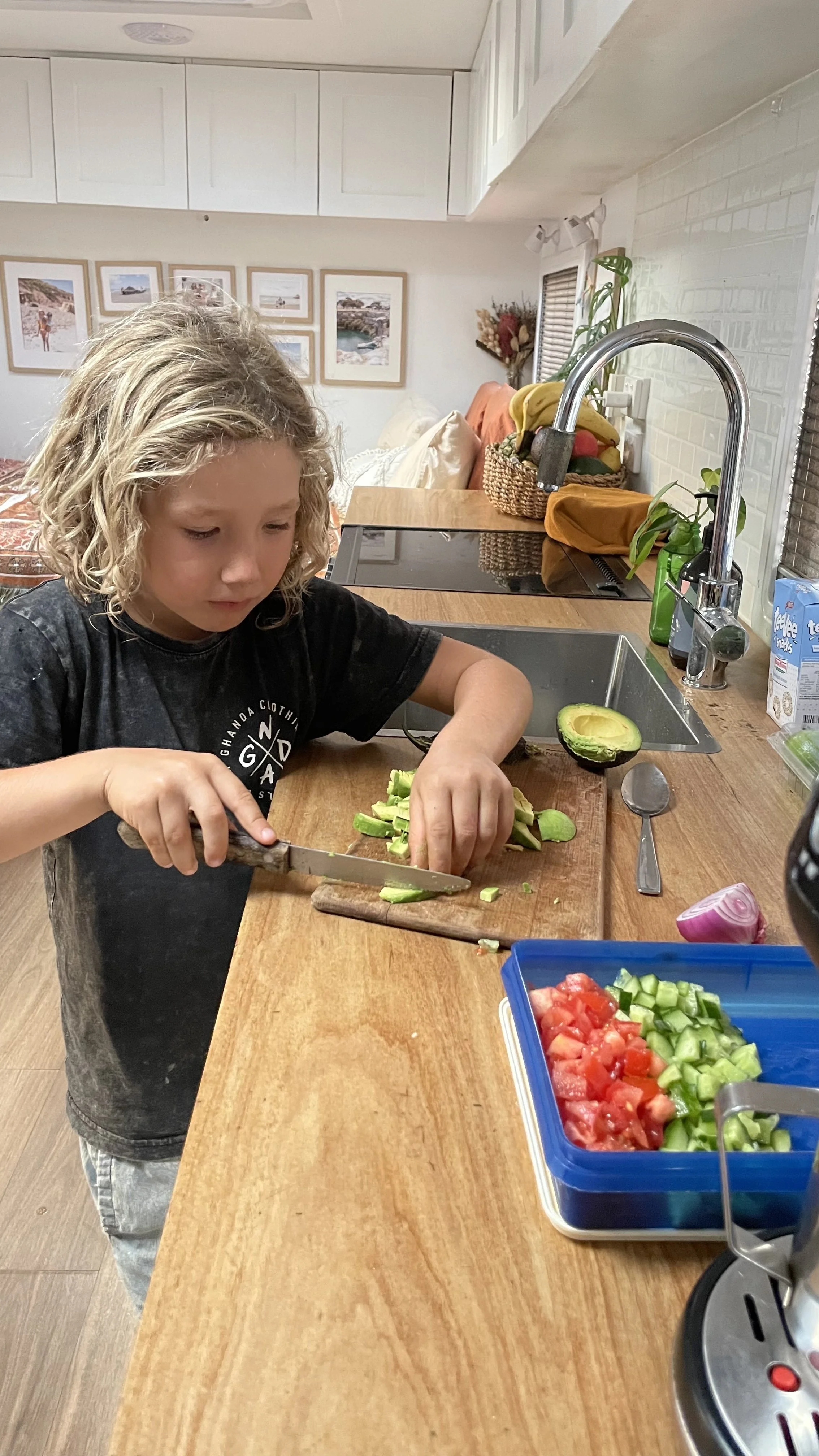
Get the kids to help cook meals throughout the week — it’s a great way to get them involved in daily routines while also teaching valuable life skills.
Use audiobooks, eBooks, and physical books to dive into stories during long drives or quiet camp afternoons.
Use board games for leaning, Games like Monopoly, Uno, Bananagrams, or even card games teach strategy, math, and language skills.
Final thoughts
Be Kind to Yourself
You won’t “school” perfectly every day — and that’s okay. One of the biggest lessons of roadschooling is learning to be flexible. If everyone’s tired or the weather’s too nice to sit inside, go live life — there’s learning in that, too.
Living full-time on the road is all about finding balance — and that includes how you approach schooling. Don’t be too hard on yourselves or your kids. It’s not about ticking every box perfectly, but about blending a bit of bookwork with all the rich, hands-on learning that happens outside of four walls.
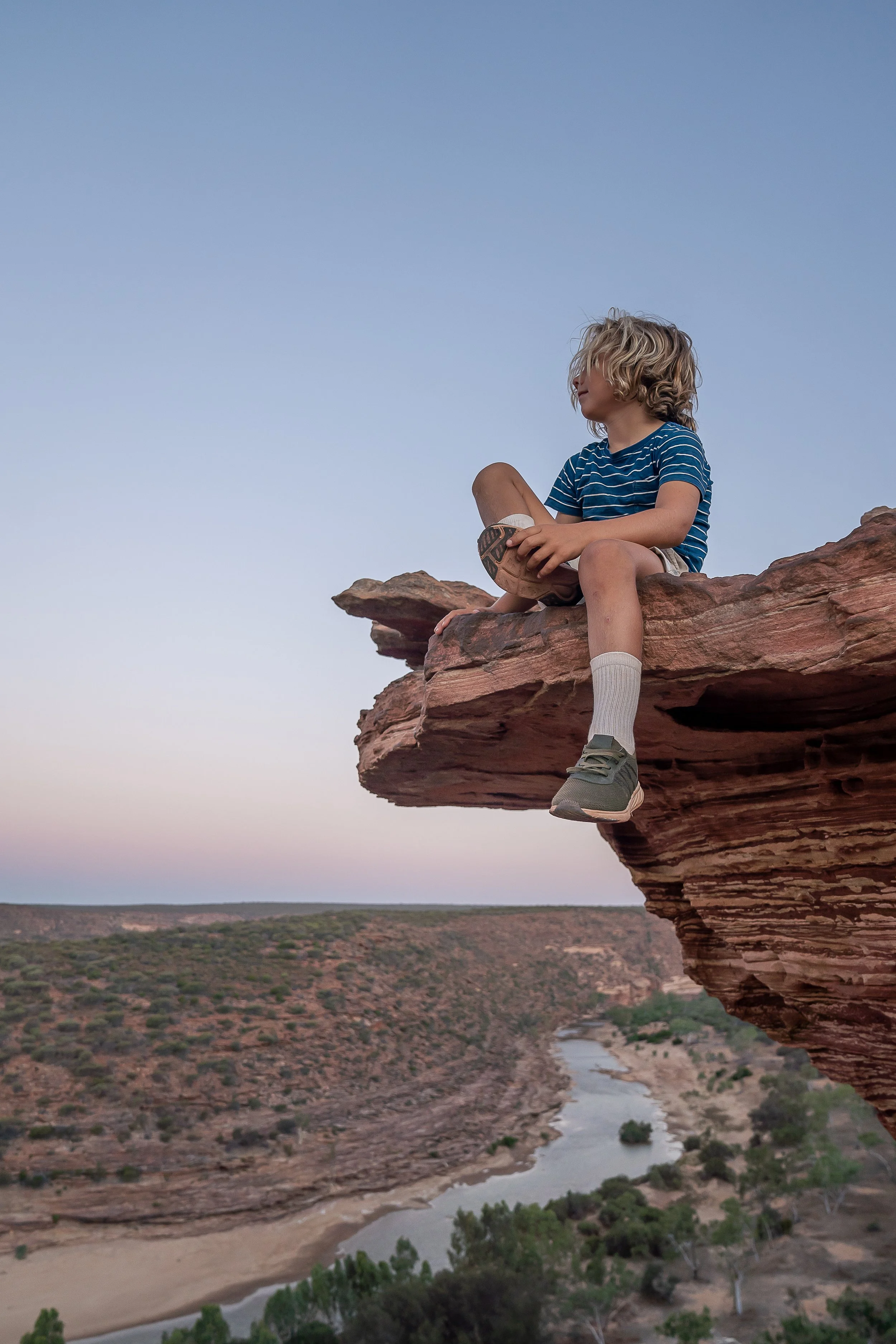
Travel gives kids the chance to experience things first-hand, make new friends, build resilience, and grow in ways that a classroom can’t always offer. Most of all, it’s an opportunity for your whole family to slow down, reconnect, and enjoy life — together.
And remember to have fun!!!